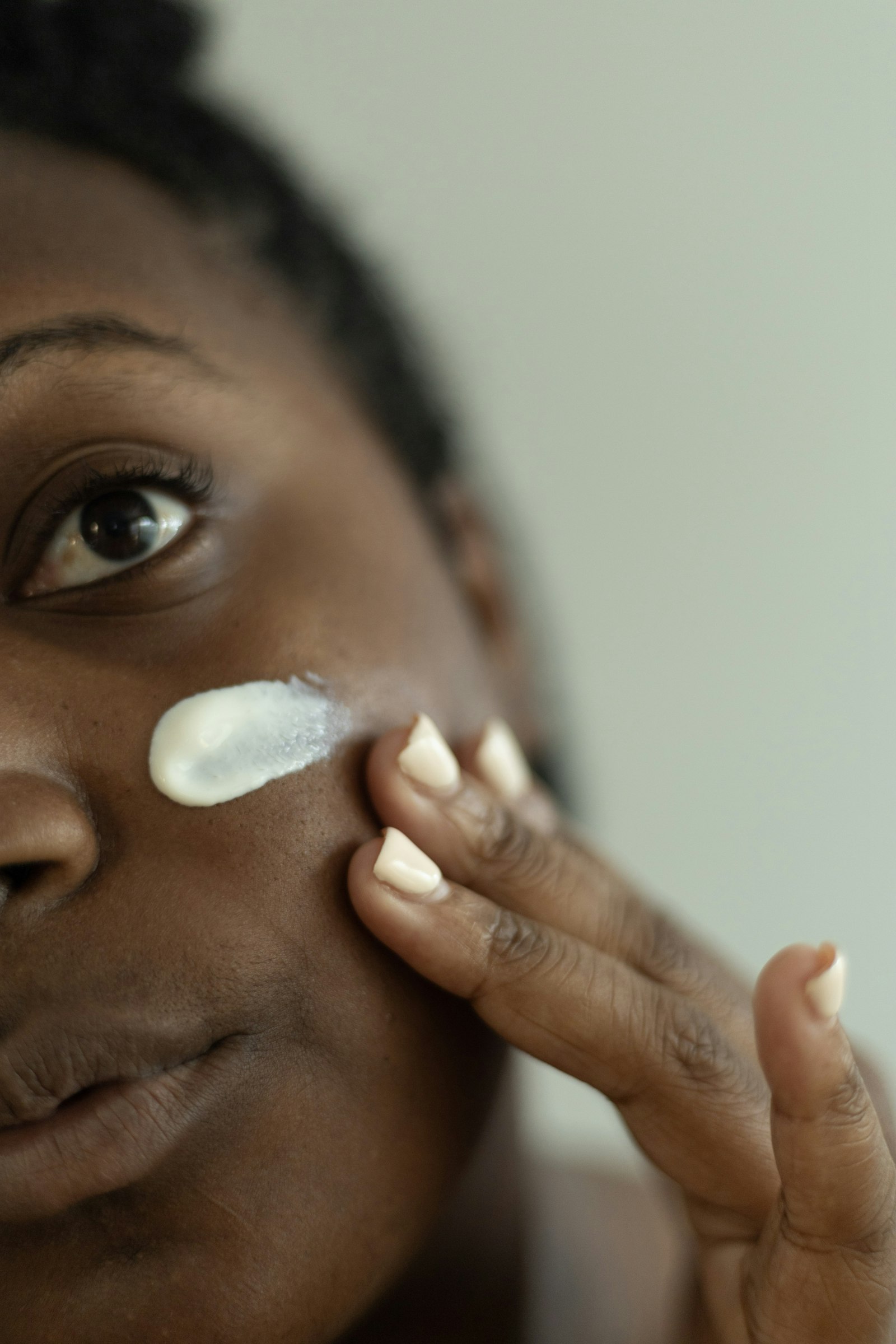
Acne is common, but it is not something you have to live with. Here is what to expect when you see a dermatologist.
Acne often begins in the teenage years but can continue, or start, in adulthood. Besides the discomfort, it can leave marks and scars, and it can affect confidence. The earlier it is treated properly, the better the chance of avoiding scarring.
At your first visit
Your dermatologist will look at the type of acne you have, how severe it is, whether there is scarring, and what you have already tried. They will also ask about your health, medicines and, where relevant, pregnancy plans, because some acne treatments are unsuitable in pregnancy.
What treatment may include
- Prescription creams or gels that unblock pores and calm inflammation
- A course of oral medicines for more severe or stubborn acne, with monitoring
- Procedures such as chemical peels or light and laser treatments for selected patients
- Advice on cleansing, moisturising and sun protection that will not irritate acne-prone skin
What to expect
Acne treatment takes time. Most plans need several weeks before the difference is clear, and regular follow-ups let your doctor adjust treatment as your skin responds. Avoid picking or squeezing spots, which raises the chance of scars.
This article is general information, not a diagnosis. Book a consultation for advice tailored to you.
Have a skin concern on your mind?
Consult first, commit later. No rush, no pressure.
Book a consultation